About Propshop:
Ans: It's a real estate consultancy that helps people seeking homes and investors comparing properties, project detailed information, scheduling site visits and making a buyer informed before buying property.
Ans: Choosing propshop is better option as it offers:
- Verified property lisitings
- Expert projects comparisons
- RERA-based guidance
- Free site visit assistance
- Personalized support from property selection to booking
Ans: Propshop majorly covers estate markets, including
- Noida
- Greater Noida
- Ghaziabad
- Delhi NCR
and connecting locations offers expert assistance for commercial and residential properties.
Ans: Yes, Propshop deals in both residential and commercial properties by offering:
- Project comparisons
- Investment guidance
- Site visit assistance
- End to end property buying support
Propshop works on property approved by RERA, which encourages buyers to verify the projects before making a purchase.
No, Propshop does not charge for property consultation, project comparisons and site visit assitance.
Yes, we arrange site visits too at your convenient date and time, which helps you to compare similar projects, inspect amenities, proper detailed understanding of floor plans and making an informed decision.
Yes, Propshop helps people to buy homes with home loans by connecting them with trusted banking partners and financial experts. Our dedicated team helps to compare loan options, understanding eligibility, and full documentation process.
Yes, propshop helps NRIs in buying property in all over India by providing verified projects recommendations, property visit, legal guidance, documentation support.
You can contact propshop by giving a missed call on +91-9643 353 535, our support team will contact you for further detailed information.
Buying a Property:
Ans: For buying property in noida require steps to follow
- Decide your budget
- Choosing location
- Comparing RERA approved projects
- Verify Documents
- Arrange finances
- Full and Final registration
Ans: Documents to check before buying property :
- Title Deed
- Sale Agreement
- Approved building plan
- Occupancy certificate
- Property tax records
- Builder approvals
Ans: Choose the option as per your priorities:
| Ready-to-Move | Under-construction |
|---|---|
| Immediate possession | Lower purchase price |
| No construction delay | Better appreciation potential |
| Ready to move in | Tailored payment plans |
Ans: Apartment: A home within a well planned residential development.
Flat: Refers to the border term for individual housing units.
Ans: Keep these points in mind before a property
- Property location
- Budget
- Carpet area
- Builder reputation
- RERA Registration
- Future potential
Ans: Yes, its offer strong investment potential due
- Infrastructure Growth
- Seamless Metro Connectivity
- IT & Corporate Hubs
- Strong Appreciation Potential
- High Residential Demand
Ans: Down Payment ████░░░░░░ 10–25%
Home Loan ██████████ 75–90%
Ans: Yes, you can purchase a property without a home loan if you have sufficient funds to cover
- property's cost
- Taxes
- registration charges
- and other applicable expenses.
Ans: The buying process hardly takes 2-8 weeks on the basis of documentation, verification and payment process.
Ans: Buyers should avoid skipping these below points:
- RERA verification
- Carpet area measurement
- Hidden costs
- Comparing projects
- Checking builder creadibility.
Real Estate Investment:
Ans: Yes, Noida is consedered as one of the most preferred real estate investment destinations in NCR due to
| Factor | Status |
|---|---|
| Infrastructure Growth | ⭐⭐⭐⭐⭐ |
| Metro Connectivity | ⭐⭐⭐⭐⭐ |
| Employment Hubs | ⭐⭐⭐⭐⭐ |
Ans: These are the areas are in high demand:
- Sector 150
- Sector 143
- Sector 137
Ans: Both property is better for returns
- Residential: Provides stable appreciation
- Commercial: Offers higher rental yields and better income but ask for larger investment.
Ans: Rental yield is annual income earned from property, known as percentage of total market value. This helps in comparing rental income to investment opportunities.
Ans: For long term investment
- Noida,
- Greater Noida,
- Yamuna Expressway
- Gurgaon
Ans: Evaluate ROI by calculating property’s purchase price, expected rental income, maintenance costs and future infrastructure developments. This can help in estimating overall return on your investment.
Ans: Property inflation is affected by
- location
- Infrastructure development
- Metro connectivity
- Upcoming government projects
Ans: Yes, under-construction projects offer lower price range and long term potential. Try to verify projects by RERA registration on priority basis.
Ans: You can maximize your return investment by
- Invest in high growth locations
- Choose RERA approved projects
- Select reputed builders
- Hold the property for long-term appreciation
Commercial Property:
Ans: Yes, as per propshop research team commercial properties offer high rental income, along with better ROI as compared to residential properties.
Ans: Rental shops and office spaces generally offer the highest ROI, depending on location, occupancy, tenant demand, and market growth.
Ans: Retail shops are in high demand, while office space provides stable long term leases. According to the commercial hub research team, retail commercial properties have given stronger rental ROI than office spaces.
Ans: These are the top commercial investment property in Noida
- Sector 62
- Sector 18
- Sector 90
- Sector 132
- Sector 140A
Ans: The minimum investment for commercial property starts from 25 lakh to 50 lakh, as it depends on property type, location and future development.
Entry Investment₹25L ███░░
₹50L ██████
Ans: If a property already has a tenant, after purchasing it you start receiving rental income immediately without waiting for a new tenant which reduces the risk of vacancy.
Ans: The average rental yield for commercial properties is typically 6%–10% per year, while residential properties generally offer 2%–4% . The actual yield depends on the property's location, occupancy, and demand.
| Property | Rental Yield |
|---|---|
| Residential | 2–4% |
| Commercial | 6–10% |
Ans: Yes, Noida Expressway is the most preferred commercial investment due to its metro connectivity, IT parks, Corporate Offices and also upcoming development infrastructure.
Growth depends on
- Corporate Offices
- Metro connectivity
- Expressway Connectivity
- Rise in Demand
Ans: Before buying a property verify the following:
- RERA Registration
- Lease Terma
- Location and Footfall
- Legally Approved
Ans: For choosing right commercial Project keep in mind the followings:
- Rental Yield
- Builder Reputation
- Future appreciation
Home Loan
Ans: Home loans are available to individuals who meet the lender's eligibility criteria. Banks generally evaluate the biases:
- Age
- Monthly income
- Employment stability
- Credit score
- Repayment capacity
- Existing financial obligations
Ans: Most banks finance 75%–90% of the property's value, it depends on your income, credit score, repayment capacity, and lender policies.
Ans: Basic documents required for applying loan are:
- Aadhaar/PAN
- Income Proof
- Bank Statements
- Property Documents
- Salary Slips / ITR
Ans: Yes, Mostly banks offer finance for under-construction properties, the borrower meets the lender requirements. Given documents need to be verfiy.
- RERA Registration
- Builder Reputation
- Project Approvals
- Loan Eligibility
Ans: EMI (Equated Monthly Installment) is the fixed monthly amount you pay towards your home loan.
EMI = Principal + InterestAns: Yes. Prepaying your loan can reduce both the interest burden and the repayment period.
Ans: Most lenders complete approval within 5–15 working days, depending on documentation and verification.
| Stage | Time |
|---|---|
| Document Verification | 2–5 Days |
| Property Evaluation | 2–4 Days |
| Final Approval | 1–6 Days |
Ans: Yes, Low credit score can reduce the chances for your loan approval and also result in higher interest rates. Maintaining a credit score makes your chances higher to get loan approval.
Ans: Yes, NRIs can also apply for loans in India by submitting valid identit, income employment and property documents.
Property Registration & Legal
Ans: RERA registration helps buyer to verify important details of project like :
- Builder Information
- Legal Approvals
Ans: You can visit the official RERA website and search project name or RERA registration number.
Ans: It's a legal document that transfers property ownership from seller to buyer and after payment is completed.
Ans: It's a certificate that confirms that the building complies with approved plans and is fit for occupation, as it's issued by local authority.
OC Confirms- Building is complete
- Safety
- Approved by authority
Ans: Completion certificate is issued by local authority after completion of project, declare that it has been made applicable regulations.
Ans: Stamp duty in Uttar Pradesh depends on the buyer category and property value.
| Buyer | Stamp Duty* |
|---|---|
| Male | 7% |
| Female | 6% |
Ans: Verify the following documents before purchasing any property.
- RERA Registration
- Sale Deed
- Title Deed
- Approved Building Plan
- Occupancy Certificate
- Completion Certificate
Ans: Encumbrance certificate is a document that confirms that property has any legal or financial liabilities such as loans, and claims during that specific time period.
EC helps in verifying- Property loan status
- Legal ownership
- Pending claims
Ans: Registration of property legally transfers ownership to buyer after verification of documents, stamp duty of payment, registration and execution of sale dee
- Agreement
- Document Verification
- Stamp Duty Payment
- Sale Deed Registration
- Ownership Transfer
Ans: Yes, Propshop can help buyers in verifying RERA registration, Project approvals, Builder credentials, Legal documents, and also property details for making informed decisions.
Propshop Can Help You Verify- RERA Registration
- Builder Reputation
- Legal Documents
- Project Approvals
- Property Comparison
Real Estate Terms & Property Area Guide
Ans: Carpet area is the most usable area inside the apartment, Including internal walls. It also excludes external walls, balconies, terrace, corridors and other most common areas.
Ans: Build up area combines carpet area, wall thickness, personal balconies and terraces (if applicable) It shows the full construction area of an individual apartment.
Ans: Super built-up area combines built-up area and proportionate share of common areas like corridors, lift lobby, staircases, clubhouse and other shared amenities.
Ans: Loading in real estate refers to the area between carpet and super built up area. It shows the percentage of common areas.
Ans: It's the ratio of total constructed floor area to plot area. It declares the maximum construction area on a piece of land.
Ans: Its the final official date when the builder hands over the building to the buyer after having required approvals and occupancy certificate.
Ans: A freehold property offers:
- Complete ownership of the property
- Ownership of the land (or proportionate land share in apartments)
- Freedom to sell, transfer, inherit, or mortgage the property
Ans: Leasehold property is when ownership is given to the buyer for a fixed period of time, Meanwhile land ownership remains with the original landowner.
Ans: Its a minimum property value fixed by the state government for property registration. Registration charges and stamp duty is calculated on the basis of this value.
Ans: BSP is the basic price of a property calculated per square foot. It generally excludes:
- GST
- PLC (Preferential Location Charges)
- Parking charges
- Club membership
- Registration charges
- Stamp duty
Vastu Tips
Ans: Yes, Vastu helps to maintain a balanced positive living environment by aligning home with natural elements. Most homebuyers prefer homes built with vastu.
Ans: As per vastu north, east or northeast facing entrances are considered favorable, as they are believed to invite positive energy.
Ans: southwest corner is ideal for kitchen as it represents fire elements another northwest is direction is considered as suitable option.
Ans: The southwest corner is recommended for the master bedroom. It is believed to provide stability, better relationships, restful sleep, and a sense of security for homeowners.
Ans: Yes, north-facing flats are considered auspicious in Vastu. They are believed to attract financial growth, positive energy, and are often preferred by homebuyers and investors.
Ans: yes, as per vastu eastwest direction is considered as lucky because it receives morning sunlight. They are directly aligned with positive, good health and fresh energy and direct sunlight.
Ans: Not compulsory, as south facing property can make a vastu complement when structured properly.
Ans: Avoid buying a home with the same facing of kitchen and toilet or main entrance will be in an unfavourable location as per vastu concerns.
Ans: yes, in India vastu affects the resale value because it is the main focus point for indian buyers.
Ans: Yes, you should observe vastu points for positive energy. Also evaluate location, construction quality and amenities before making a final decision.
First-Time Homebuyer
Ans: your budget depends on your income and loan eligibility. Keep advanced funds ready for down payment, taxes and other home buying expense.
Ans: 2 bhk flat is ideal for small families and individuals, meanwhile 3 bhk flat is for future needs and better long term value.
Ans: As per low budget go for 2 bhk and if require extra large space opt for 3bhk.
Ans: Before investing do a deep research for good connectivity, schools, hospitals and future infrastructure developments.
Ans: Yes, For excellent connectivity purchasing home near to metro station is easy to commute and higher resale demand for first time buyers.
Ans: Comparison of builders is based on their reputation, completed projects, construction quality and RERA registration, customer reviews and delivery timelines before making a final decision.
Ans: Apart from property price, do check registration charges, GST, Maintenance fees and other additional fees.
Ans: Research the market prices, compare similar projects, observe their pricing plans and additional discounts. Negotiation during pre launch provides better value.
Ans: Propshop helps buyers to compare similar projects, arrange site visit and also assist with home loans.
Noida Location & Sector
Ans: Best residential sectors in Noida includes sector 150, Noida 137 and Noida 78. They offer updated amenities, excellent connectivity and also strong investment potential .
Ans: These sectors are close to IT hubs:
- Noida sector 62
- Noida sector 63
- Noida sector 137
- Noida sector 143
Ans: For luxury apartments these sectors are best:
- Sector 150
- Sector 94
- Sector 128
Ans: For affordable housing these sectors are most preferred choice:
- Sector 73
- Sector 74
- Sector 143
Ans: Noida expressway offers excellent road connectivity, Near to IT hubs, reputed schools, and hospitals.
Ans: Yes, Noida extension is a popular choice for budget friendly homes, improving infrastructure, and metro connectivity.
Ans: Below mention sectors have best metro connectivity:
- Sector 15
- Sector 16
- Sector 18
- Sector 59
- Sector 62
Ans: Sectors 62, 137, 142, 143, and 150 are popular for rental income due to nearby IT companies, educational institutions, and excellent transport connectivity.
Ans: Noida sector 150, noida expressway sectors and noida extension have strong appreciations due to commercial growth and increase in housing demand.
Builder & Project Selection
Ans: Choose a builder with strong track record, RERA registered projects, delivery on time, quality construction, and also transparent pricing and documentation.
Ans: Many trusted builders are in Noida like Godrej properties, ATS, Tata Housing and known for high quality construction.
Ans: Check RERA registration, legal approvals, project locations and payment plans before final booking.
Ans: On the basis of complete project’s customer reviews and delivery history can give you clarity for builder reputation.
Ans: The signs of quality construction project are:
- Thoughtful layouts
- Proper ventilation
- Safety measures
- Branded fittings
Ans: It depends on the priority list as new builders provide competitive prices while established builders have a track record of quality and timely delivery.
Ans: Compare 2 residential project on basis of given points :
- Floor plans
- Builder reputation
- Connectivity possession
- Maintenance costs
Ans: Buyer should prioritize power backup, parking, clubhouse and also children’s play areas for daily essentials.
Ans: Project location is the most important factor. It also affects daily convenience, connectivity, and lifestyle.
Ans: Propshop evaluates projects on the basis of builder credibility, RERA status, location and also connectivity.
General Real Estate
Ans: Noida: more developed with commercial hubs
Greater Noida: offers larger townships, affordable housing and strong future infrastructure growth.
Ans: Both are beneficial as real estate offers stable long term growth and rental income, while stock provides high liquidity.
Ans: Property prices generally rise due to upcoming infrastructure, improved connectivity, growth in demand and better amenities in the surrounding area.
Ans: Factors that are affecting property prices are:
- Locations
- Project amenities
- Market demand
- Government policies
Ans: Buying a property is a long term thought, while renting offers flexibility. Better option depends on your priorities.
Ans: ROI is calculated by comparing total investment with property appreciation. A higher return shows more profitable real estate investment.
Ans: Its an annual rental income earned from property, it helps in getting clarity in investment performance.
Ans: Yes, NRIs are free to invest in residential and commercial properties, While keeping in mind rules of RBI and FEMA.
Ans: Current trends come under demand for premium homes, smart homes, and sustainable development.
Ans: For staying updated with new launches, follow real estate portals, RERA updates and consulting advisors like propshop for latest project launches.
Recent Property
-

Karyan Nine
Opposite wave City NH 24, Ghaziabad -

Karyan Residences
At NH-24, Ghaziabad -

Gaur Alaris
Sector 22D, Yamuna Exp., Gr. Noida -

AU Cosmos Corner
Siddharth Vihar, Ghaziabad -
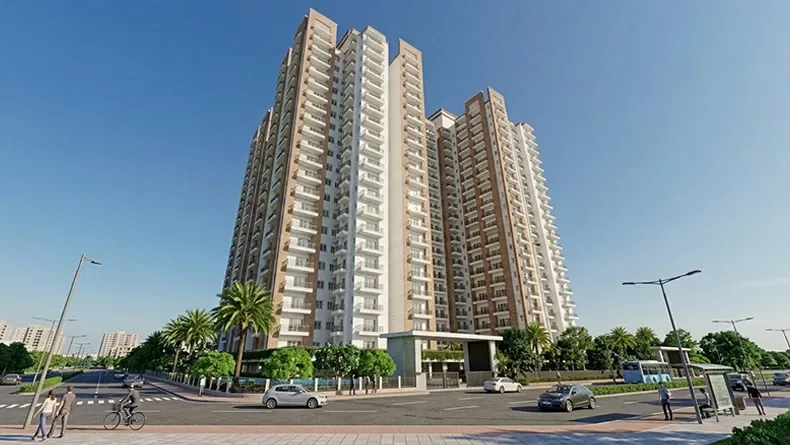
Apex Sky Height
Raj Nagar Extension, Ghaziabad -
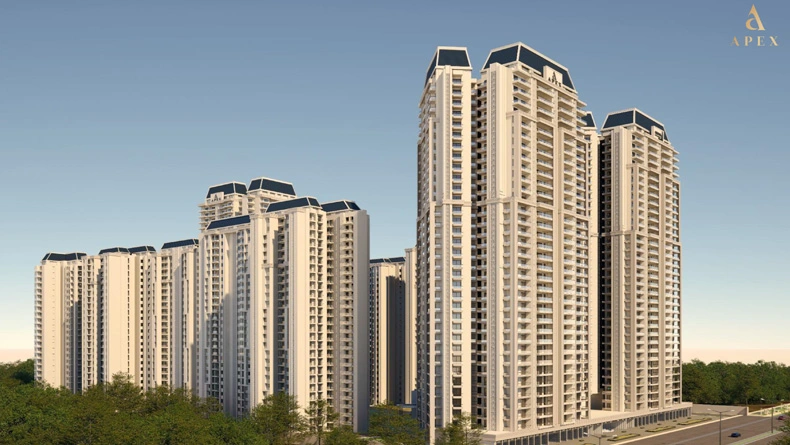
Apex Aqualis
Sector Eta II, Greater Noida